

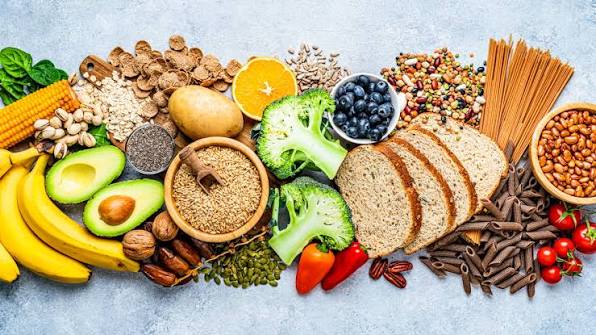
Fibermaxxing is one of 2026’s biggest nutrition trends: eating high amounts of fiber at every single meal, not just as an afterthought. It’s easy to dismiss as another TikTok trend, but the numbers behind it are real, and so is the gap it is trying to close. This guide covers what fibermaxxing actually means, why fiber deserves as much attention as protein currently gets, how much you actually need, where to find it, and how Edamam’s Food Database, Recipe Search, and Meal Planner make it possible to build a high-fiber week around real nutrient data instead of guesswork.
Key Takeaways
- Fibermaxxing, the viral trend of eating high amounts of fiber at every meal, is addressing a real gap: 90 to 95% of Americans fall short of recommended fiber intake.
- Nutrition experts increasingly argue that fiber, not protein, is the bigger blind spot in most people’s diets: most Americans already get enough protein, while the vast majority are fiber-deficient.
- Getting enough fiber (25 to 38 grams a day, depending on age and sex) means prioritizing legumes, whole grains, fruits, and vegetables.
- Edamam’s Food Database, Recipe Search, and Meal Planner make it possible to check fiber content, find high-fiber recipes, and build a full week of fibermaxxing around real data instead of guesswork.
Table of Contents
What is Fibermaxxing?
Fibermaxxing means deliberately eating fiber-rich foods at every meal instead of treating fiber as a side note. The trend took off on TikTok, with creators, including gastroenterologists, sharing daily meal examples built around lentils, beans, baba ganoush, berries, and whole grains.
Isn’t Protein the Only Macro That Matters?
For the past few years, protein has dominated the nutrition conversation, but a growing number of experts say that focus is misplaced. Epidemiologist and nutrition scientist Tim Spector puts it bluntly: “90% of Americans are getting more than enough protein,” while “90% of Americans are fiber-deficient.” His conclusion: “Fiber trumps everything” (Fortune).
Johns Hopkins Bloomberg School of Public Health backs this up independently. Current U.S. protein intake already averages about 1 gram per kilogram of body weight, in line with recommendations, while 90 to 95% of Americans fall short on fiber, consuming around 15 grams a day against a 25 to 38 gram target. As the school frames it: “The real issue… isn’t that Americans need more protein dramatically. It’s that the conversation has crowded out a more important message: diversify your protein sources and eat more fiber-rich foods” (Johns Hopkins).
In other words, fibermaxxing is not chasing a trend for its own sake; it is correcting an imbalance nutrition experts have been flagging directly
Why Fiber Is Important
Adequate fiber intake lowers the risk of several serious, common conditions: cardiovascular disease, type 2 diabetes, and certain cancers, especially colorectal cancer (Stanford Medicine). Fiber also feeds beneficial gut bacteria; when those bacteria digest fiber, they produce short-chain fatty acids that lower inflammation and appear to protect against disease. Beyond that, fiber helps regulate blood sugar and cholesterol and prevents constipation (Stanford Medicine; Yahoo Health).
How Much Fiber Do You Actually Need?
- The general recommendation is 25 grams a day for women and 38 grams for men, per the Department of Health and Human Services, with Stanford Medicine breaking it down further by age: 25g for women under 50, 21g for women 50 and older, 38g for men, and 30g for men 50 and older.
- Despite that, 95% of Americans fall short, averaging only about 16 to 17 grams a day (Yahoo Health; Stanford Medicine).
- A separate breakdown from the American Society for Nutrition puts it even more starkly: only 5% of men and 9% of women meet fiber recommendations (American Society for Nutrition).
Best Food Sources of Fiber
Soluble fiber, which dissolves in water and helps manage cholesterol and blood sugar, is found in beans, broccoli, Brussels sprouts, apples, and carrots.
Insoluble fiber, which adds bulk and supports digestion, is found in potatoes, whole wheat flour, wheat bran, brown rice, nuts, and seeds (Yahoo Health).
Stanford Medicine also points to whole grains and whole wheat bread, legumes, bran cereals, oatmeal, sweet potatoes, and popcorn as reliable sources, and recommends getting fiber from whole foods rather than supplements where possible (Stanford Medicine).
How Developers Can Use Edamam to Support Fibermaxxing
For developers building nutrition, wellness, or fitness apps, the challenge is not explaining what fiber is; it is building the infrastructure to surface accurate fiber data across every food, recipe, and meal plan a user interacts with. Edamam tracks total dietary fiber as a core nutrient across its data, so that tracking does not have to be built from scratch.
Food Database: Returning Fiber Data at the Point of Lookup
Developers can query Edamam’s Food Database for any food or ingredient and get fiber content back directly in the response, letting an app flag high-fiber options the moment a user searches or scans an item.
Recipe Search: Filtering Results by Fiber Content
Developers can call Edamam’s Recipe Search and filter by nutrient ranges, including fiber, so the API only returns recipes that already meet a fiber threshold, rather than requiring the app to fetch a broad set of recipes and filter them client-side.
Meal Planner: Generating Plans Built Around a Fiber Target
Developers can pass a daily fiber target into Edamam’s Meal Planner alongside a calorie range, and get back a full week of meals already built to add up to that target, rather than validating and adjusting meals after the fact.
Turning Fibermaxxing Into a Daily Habit
Fibermaxxing is not just a passing trend; it is a correction: most people already get enough protein, and the real gap in the average diet is fiber, not far off from what nutrition experts have been saying for years. For product teams, the challenge is building that fiber tracking into an app reliably, across every food, recipe, and meal plan, without doing it from scratch. Edamam’s Food Database, Recipe Search, and Meal Planner are built for exactly that.
FAQ
Q: What is fibermaxxing?
A: Fibermaxxing is the practice of deliberately eating high-fiber foods at every meal, rather than treating fiber as an afterthought. It became a viral TikTok trend in 2026, with creators sharing high-fiber meal ideas built around legumes, whole grains, fruits, and vegetables.
Q: Is fiber really as important as protein?
A: According to nutrition experts, it may be more important for most people. Roughly 90% of Americans already get enough protein, while 90 to 95% fall short on fiber, making fiber the bigger gap in the average diet.
Q: How much fiber should I eat per day?
A: The general recommendation is 25 grams a day for women and 38 grams for men, with slightly lower targets for adults over 50. Most Americans average only 16 to 17 grams a day.
Q: What foods are highest in fiber?
A: Soluble fiber sources include beans, broccoli, Brussels sprouts, apples, and carrots. Insoluble fiber sources include potatoes, whole wheat flour, wheat bran, brown rice, nuts, and seeds.
Q: Can developers use Edamam to build fiber-tracking features?
A: Yes. Edamam tracks total dietary fiber as a core nutrient across its Food Database, Recipe Search, and Meal Planner, so developers can surface fiber content, filter recipes by fiber level, and generate fiber-targeted meal plans without building that logic from scratch.