

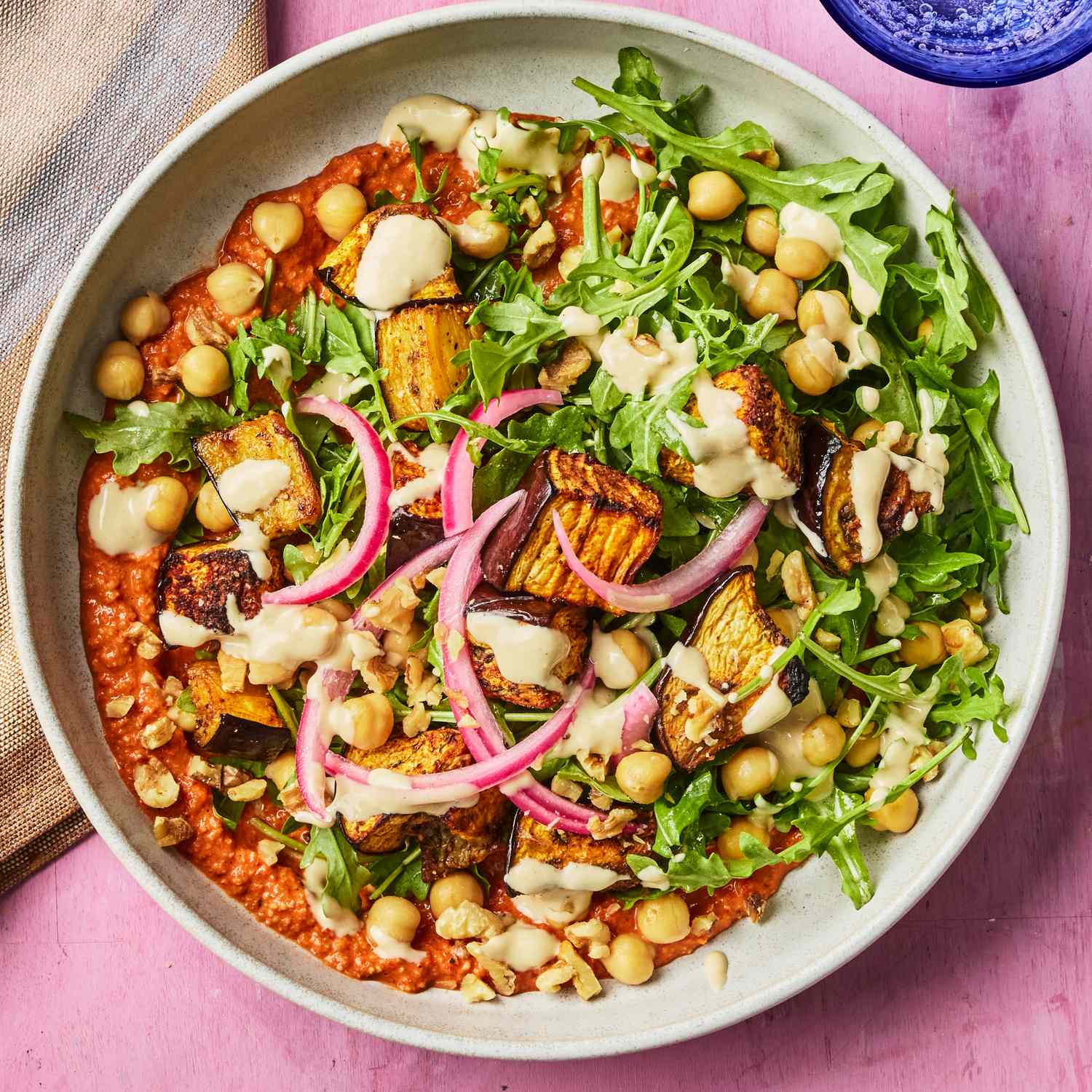
Meal planning helps vegetarians include enough protein, stay organized, save time, and make balanced meals easier to prepare and follow. Instead of deciding what to eat in the last minute, you can create a routine that supports your goals with less stress and more consistency.
Our detailed guide on a high-protein vegetarian meal plan contains practical tips and tricks to help you eat healthy and heartily.
Table of Contents
Key Takeaways:
- A high-protein vegetarian meal plan can support fullness, better meal balance, and easier everyday consistency.
- Including protein-rich foods helps make vegetarian meals more satisfying.
- Meal prepping and keeping ingredients simple save time, reduce stress, and make healthy eating easier to maintain.
How to Build a High-Protein Vegetarian Meal Plan
Protein supports fullness, muscle maintenance, and better meal balance. A high-protein vegetarian meal plan can make eating feel more satisfying and easier to maintain.
Grocery shopping with a plan is much easier and economically savvier. It helps to shop with a clear list, choose versatile ingredients, and buy items you can use across several meals throughout the week. This can save time, reduce waste, and make meal planning more practical.
Meal prepping at the beginning of the week can also help you stay consistent. Essentially, meal prepping is batch cooking of either entire meals or modular foods that can combine in different recipes to produce a variety of flavours and textures. Preparing a few basics in advance provides the building blocks for balanced meals, making it much easier to stay organized and stick to your plan.
Best High-Protein Vegetarian Foods
Choosing the right foods is one of the easiest ways to make your high-protein vegetarian diet more effective. Understanding which ingredients provide the most nutrition is essential. Some of the best high-protein vegetarian foods include:
- Lentils contain around 18 grams of protein per cooked cup. They are rich in fibre, iron, and folate, which makes them a filling and useful staple for soups, stews, curries, and salads. Lentils also have a low glycemic index, making them a useful protein choice for people managing insulin resistance or type 2 diabetes.
- Beans offer roughly 15 grams of protein per cooked cup, depending on the variety. They are affordable, versatile, and easy to use in wraps, chilli, grain bowls, soups, and salads.
- Tofu has about 9 grams of protein per 100 grams. It is a practical choice because it absorbs flavour well and works in everything from stir-fries to baked dishes.
- Tempeh packs 20.3 grams of protein per 100 grams. Its firmer texture and suttier taste make it a great option for more substantial lunches and dinners
- Greek yogurt gives you 7.3 grams of protein per 100 grams. It is an easy addition to breakfasts, snacks, and meal prep, especially when prepared with fruit, oats, nuts, or seeds. Even plain, it is easy to eat on the go.
- Cottage cheese comes at 11.1 grams of protein per 100 grams. It is a simple way to make meals and snacks more filling while keeping preparation easy.
- Eggs contain about 5 grams of protein per egg. They are convenient vegetarian foods because they can be used in quick breakfasts, lunches, and batch-cooked meals.
- Quinoa offers 8.1 grams of protein per cooked cup. It is a useful grain option for bowls, salads, and meal prep dishes, especially when you want a little more protein than standard grains usually give.
- Nuts usually contain around 4 to 7 grams of protein per ounce, depending on the type of nut. They are handy for snacks and can also add texture and extra nutrition to breakfasts, salads, and savoury meals. The nuts with the highest protein content are: peanuts, almonds, pistachios, and cashews.
Including a mix of these foods throughout the week will help you balance your meals and be more satisfied.
Meal Prepping Tips for a High-Protein Vegetarian Meal Plan
Meal prepping a few basics at the start of the week can make a high-protein vegetarian meal plan much easier to follow.
Cooking grains, chopping vegetables, and portioning snacks in advance also make it simpler to put together quick vegetarian meals during busy days.
The approach saves time, reduces stress, removes analysis paralysis, and helps you stay more consistent throughout the week.
Tips:
- Batch-cook grains, lentils, and beans at the start of the week.
- Prepare protein-rich foods in advance, such as tofu or eggs.
- Greek yogurt with different toppings as a good pre-made portioned snack.
- Chop or cook vegetables so meals come together more quickly.
- Freeze meals in individual portions so you can defrost only what you need.
- Add different sauces to the same meals to keep them more versatile.
- Use sealed containers or jars to keep the meals fresh and easy to grab and reheat.
- Portion snacks ahead of time to make high-protein options more convenient.
Breakfast
A high-protein vegetarian breakfast can help you start the day feeling fuller and more satisfied.
Good options include overnight oats with Greek yogurt, cottage cheese bowls with fruit and seeds, egg muffins, or tofu scramble wraps.
Lunch
Lunch is a good time to build balanced, high-protein, meatless meals that keep you going through the afternoon.
Simple ideas include lentil salad bowls, quinoa and roasted vegetable boxes, bean wraps, or tofu stir-fry with rice. These meals work well for meal prep because they can be made in advance and packed easily.
Dinner
A satisfying high-protein vegetarian dinner can be simple to put together with planning.
Good ideas include tempeh stir-fry, lentil pasta with vegetables, tofu curry, or bean chilli with quinoa.
Such meals are filling, practical, and easy to adjust based on what you already have at home.
Snack
Including a high-protein vegetarian snack during the day or after dinner can help you stay energized or satisfy cravings between meals. Easy options include Greek yogurt pots, cottage cheese, boiled eggs, roasted chickpeas, nuts, or crackers with hummus.
Portioning snacks in advance also makes them more convenient, making it much easier to reach out for them instead of an unhealthier option.
Common Mistakes to Avoid
If you want to stick with a high-protein vegetarian meal plan in the long term, it helps to be aware of a few common meal prep mistakes.
Not eating enough protein throughout the day makes meals less satisfying and harder to balance, which may leave you reaching for processed snacks or less healthy options. Skipping meals is a common issue, as it can leave you overly hungry later and make consistency more difficult.
Prepping meals in advance can support a more even spread of protein across meals and snacks, so you always have something balanced ready to eat.
Making High-Protein Vegetarian Eating Easier
A high-protein vegetarian meal plan can feel much more realistic when you keep things simple and organized. Choosing good protein sources and preparing balanced meals in advance makes eating healthy more accessible and realistic.
Meal prepping saves time, reduces stress, and supports your goals throughout the week.
Procuring the necessary proteins on a vegetarian diet is important, and a little planning can make it that much easier.
FAQ
Q: What vegetarian food is highest in protein?
A: Tempeh is one of the highest-protein vegetarian foods, with around 20 grams of protein per 100 grams. It is a fermented soy product with a firm texture and slightly nutty flavour, which makes it a popular option in many savoury meals. Other good sources of protein are tofu, cottage cheese, Greek yogurt, lentils, beans, eggs, and nuts.
Q: How to get 30 grams of protein without meat?
A: Getting 30 grams of protein without meat is very possible when you combine a few protein-rich vegetarian foods in one meal. For example, Greek yogurt with nuts and seeds, a meal with tofu and quinoa, or lentils paired with eggs can increase the total protein content of a meal. Meal prepping around these ingredients makes it easier to reach your protein target.
Q: How do vegetarians get enough protein?
A: Vegetarians can get enough protein by including protein-rich foods regularly across meals and snacks. High-protein foods can contribute to daily intake. Knowing a few high-protein vegetarian meal plan tips can help with planning and prepping meals, making it easier to stay consistent and build balanced meals throughout the week.