

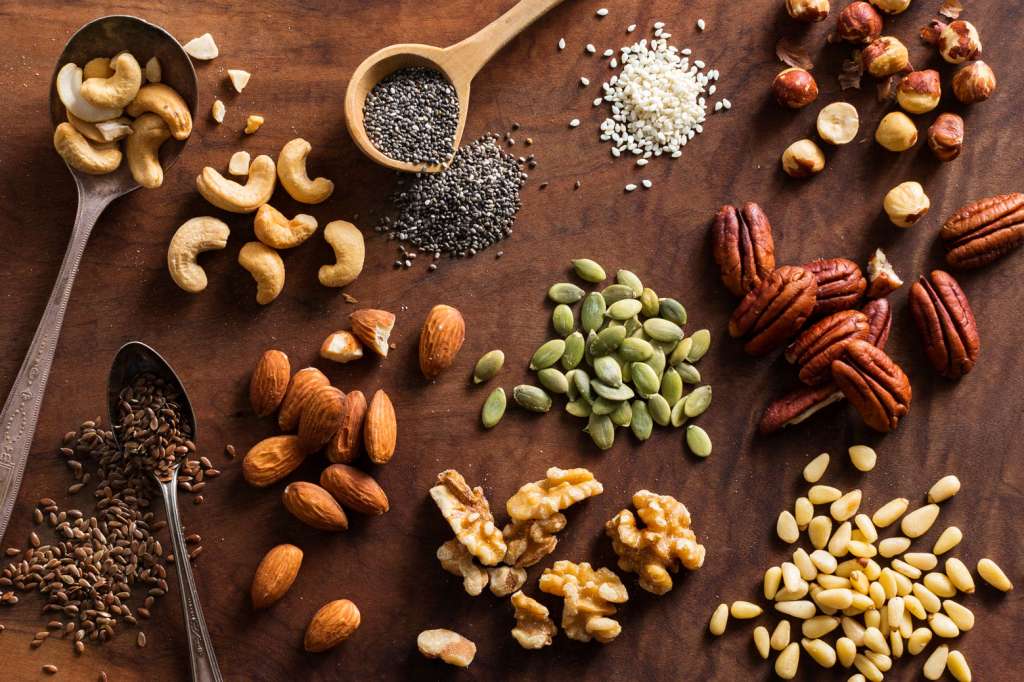
Protein matters. It helps build and repair muscle, supports our immune system, and keeps us full for longer. This is why it’s important to know how much protein there is in 100 grams of nuts. Nuts can be a smart and simple way to add more protein to your day.
Protein in nuts can range from moderate to high, depending on the type. As long as you’re not allergic, nuts are also a great source of healthy fats, fiber, and key micronutrients.
Table of Contents
Key Takeaways:
- Nuts make a strong high-protein snack because they’re filling and convenient, while also adding fiber, healthy fats, and micronutrients.
- Peanuts rank highest for protein, providing about 7.7g of protein per serving.
- Nuts are easy to work into different eating styles, including Keto/Low Carb, Paleo, Vegan, Lectin-free, Inverted Pyramid, and Heart-healthy/Mediterranean-style.
Protein Content in 100 Grams of Nuts: Chart Breakdown
| Type of Nut | 100 Grams | 30-gram serving | Calories per serving |
| Peanuts | 25.9g | 7.7g | 170 |
| Almonds | 21.2g | 6.4g | 174 |
| Cashews | 18.2g | 5.3g | 160 |
| Walnuts | 15.2g | 4.6g | 196 |
| Pistachios | 20.2g | 6.1g | 168 |
| Pine Nuts | 13.7g | 4.1g | 202 |
| Hazelnuts | 15g | 4.5g | 188 |
Protein per 100 Grams of Peanuts:
Peanuts are a nutrient-dense snack that can support heart health and help you feel satisfied, thanks to their mix of plant protein, healthy fats, and fiber. PubMed meta-analysis found that peanut consumption had a positive, significant effect on HDL (“good”) cholesterol.
100 grams of peanuts contain around 25.9g of protein, making them the nut with the highest protein content.
For comparison, 100g of peanuts (25.8g of protein) is a bit less than a chicken breast (31g of protein) and around the same range as many lean beef cuts (around 22g of protein).
You can eat peanuts raw, boiled, or roasted, add them into trail mixes, sprinkle them on salads or stir-fries, or blend them into sauces. Sugar-free peanut butter is also an easy add-in to smoothies, oats, or toast.
Protein per 100 Grams of Almonds:
Almonds are known for being rich in vitamin E, magnesium, and manganese, plus a solid amount of fiber and unsaturated fats. The combination supports heart health, steady energy, and better satiety. This makes them a useful snack during menopause, when research suggests females require more dietary protein due to changes in protein breakdown and increased muscle loss.
100 grams of almonds contain around 21.1g of protein, keeping almonds near the top when you compare nutritional values in nuts.
They are easy to eat raw or roasted, or added to simple meals like yogurt or oats.
Protein per 100 Grams of Cashews:
Cashews are a nutrient-dense nut known for their creamy texture and strong mineral profile. They provide good amounts of copper, magnesium, and zinc, which support energy production, immune function, healthy skin, and connective tissue.
For 100 grams of cashews, you get around 18.2g of protein. For comparison, most cooked beans contain about 10g of protein, so cashews are almost twice that.
Cashews are also among the lower-fat nuts, making them a good fit when you want a lighter handful.
Protein per 100 Grams of Walnuts:
Walnuts stand out for their fat profile. They’re especially rich in polyunsaturated fats, including the plant omega-3 ALA, which supports heart health.
Their protein content can also be useful during menopause, a life stage where postmenopausal women consuming around 1.1g of protein per kilogram of body weight per day showed better lean-to-fat mass ratios and stronger physical function than those consuming less. They also pack manganese, copper, and antioxidants, which is why they’re often linked with brain and cardiovascular benefits.
This is backed by research as well – an updated PubMedmeta-analysis of controlled trials concluded that adding walnuts to your diet improved blood lipid profiles.
100 grams of walnuts contain about 15.2g of protein.
They’re easy to use, chopped into salads and oats, yogurt, or blended into sauces and pestos.
Protein per 100 Grams of Pistachios:
Pistachios are a nut with a strong micronutrient profile. They’re a good source of vitamin B6, potassium, and antioxidants (including lutein and zeaxanthin), which support metabolism and overall heart health. They also provide fiber, which can help with fullness.
100 grams of pistachios contain about 20.2g of protein, placing them among the top nuts in terms of protein value.
Protein per 100 Grams of Pine Nuts:
Pine nuts are small but powerful. They’re especially rich in vitamin E and magnesium, and they provide minerals like zinc and manganese that support immune function and energy metabolism. Pine nuts are also one of the more calorie-dense options because they’re higher in fat, mostly unsaturated.
100 grams of pine nuts contain about 13.7g of protein.
They’re most commonly used in pesto, tossed in salads, stirred into pasta, or added to grain bowls.
Protein per 100 Grams of Hazelnuts:
Hazelnuts are rich in vitamin E, manganese, and heart-friendly monounsaturated fats. They also provide antioxidants and fiber, which can promote satiety and overall cardiovascular health when used in place of processed snacks.
100 grams of hazelnuts contain around 15g of protein.
They’re easy to enjoy roasted, chopped into yogurts or oats, or blended into spreads and desserts.
Best High-Protein, Low-Fat Nuts
Some nuts give you a strong protein boost without going heavy on saturated fat. That makes them a smart snack when you want something filling, but still light. A good example is pistachios, with their high protein and key nutrients like vitamin B6 and potassium.
If you’re aiming for that “high-protein, lower-fat” balance, pistachios and cashews are among the leaner choices.
With that in mind, here’s a breakdown of the most popular nuts by diet to see which combos make the most sense.
Keto/Low Carb
For the Keto diet, the best picks are the ones that keep carbs low while giving you solid protein in a serving of nuts. Almonds and peanuts are common keto picks because they’re easy to portion and reliably high in protein.
The amount of protein in an ounce of almonds is about 6.4g, and 7.7g in peanuts.
Vegan
For a vegan diet, basically, all nuts are suitable. Almonds and peanuts are easy, affordable staples. Proteins in peanut butter also add up fast in oats, smoothies, or on toast.
Paleo
Paleo tends to favor minimally processed foods, so all plain nuts (raw or dry-roasted) fit well. A serving of almonds, walnuts, pistachios, and cashews works as a simple snack or an easy add-in, and a great way to get both protein and healthy fats.
Lectin-Free
On a lectin-free plan, pistachios are a good choice for protein and a lectin-free option. Peanuts should be avoided since they are actually a legume, and legumes are among the highest-lectin plant foods.
Inverted Pyramid Diet
The inverted pyramid flips the old pyramid idea. It focuses on real, minimally processed foods, with protein-forward choices and produce taking priority, while grains and sugars play a smaller role.
Nuts fit nicely as a protein-forward snack or add-in — especially peanuts, almonds, and pistachios. Choose raw or dry-roasted, plain, unsalted options, and stick to the recommended servings.
Nuts and Heart-healthy / Mediterranean-style Diet
The Mediterranean-style approach prioritizes whole foods and healthy fats, with less focus on “low-fat” and more on fat quality.
Nuts fit in perfectly as a snack or add-in. Walnuts, almonds, pistachios, and hazelnuts work especially well.
Which Nut Has the Most Protein
When you compare nuts by protein, peanuts usually come out on top — even though they’re technically a legume, for all intents and purposes, we use them as nuts. The 25.9g of protein in peanuts is typically the highest per 100g.
Almonds come next. They’re a reliable tree-nut option, and they stay near the top of the list when you want a higher amount of protein per handful.
FAQ
Q: What nuts are high in protein?
A: Nuts high in protein include peanuts, almonds, and pistachios. These options give you the biggest protein boost per serving and are easy to use in everyday snacks and meals. Cashews are also a solid choice.
Q: Do eggs have more protein than nuts?
A: Nuts can contain more protein than eggs, depending on the type of nut and the size of the egg. A medium egg roughly has about 6g of protein. A standard serving of 30g of peanuts can be slightly higher at 7.7g, meaning they can provide more protein than an egg.
Q: What are the top 3 healthiest nuts?
A: There isn’t a single “healthiest” nut, but three of the best all-around choices are almonds, pistachios, and walnuts. Almonds are rich in vitamin E and magnesium, pistachios in vitamin B6, potassium, and antioxidants, and walnuts stand out for their omega-3 (ALA).
If you’re tracking specifically the amount of protein in 100 grams of nuts, peanuts and almonds tend to rank at the top for protein.